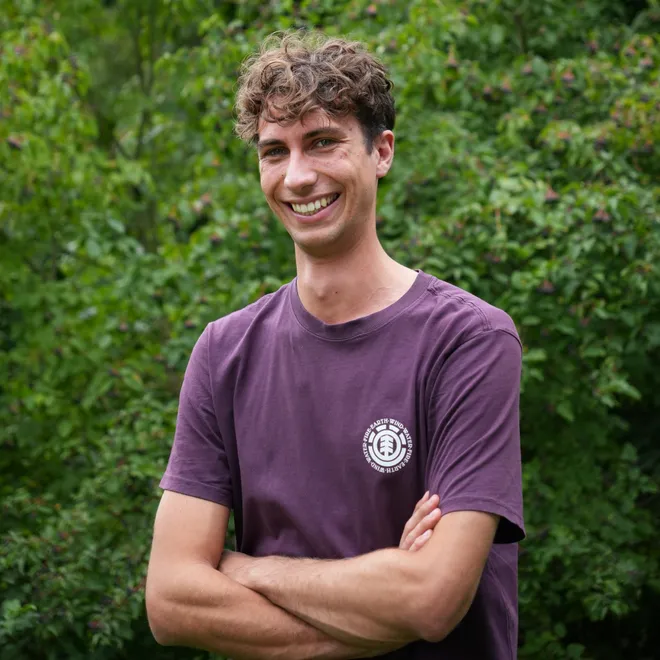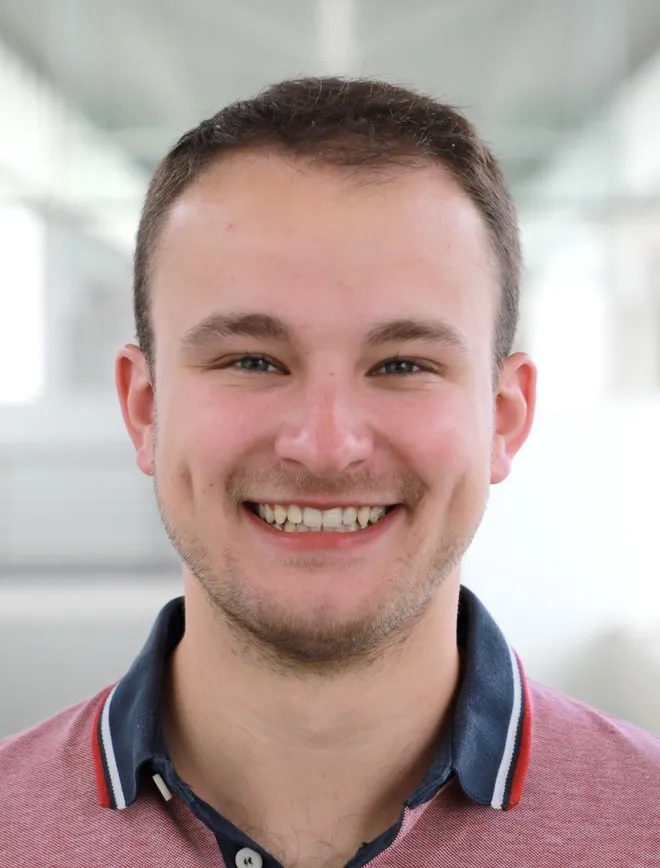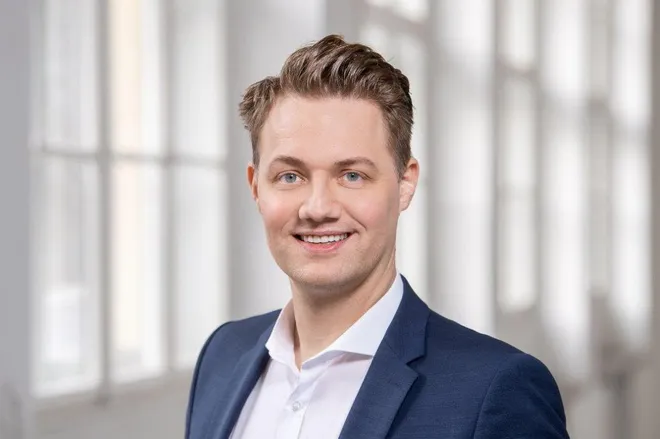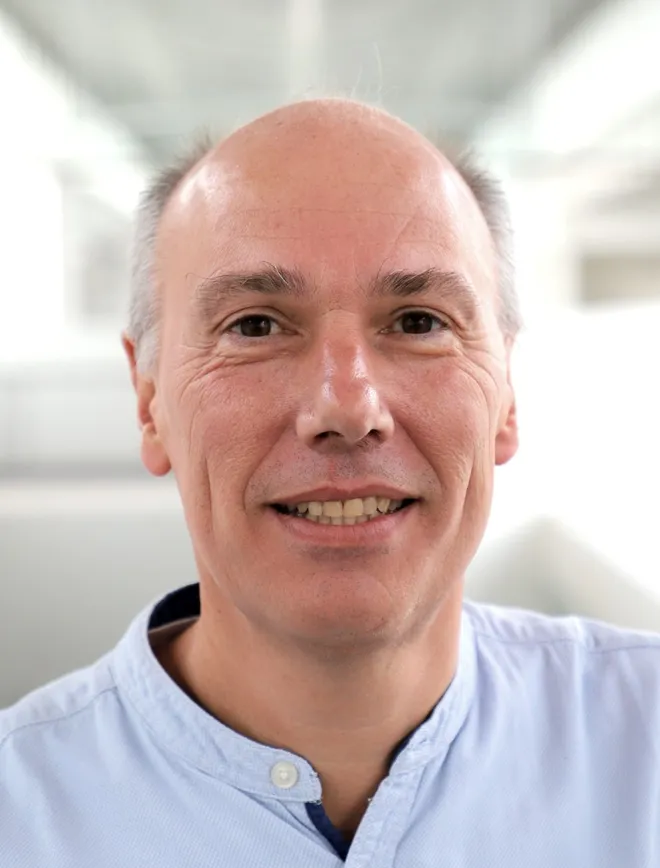








The people behind FC Isar Robotics

The minds to takerobotics further

Keep scrolling

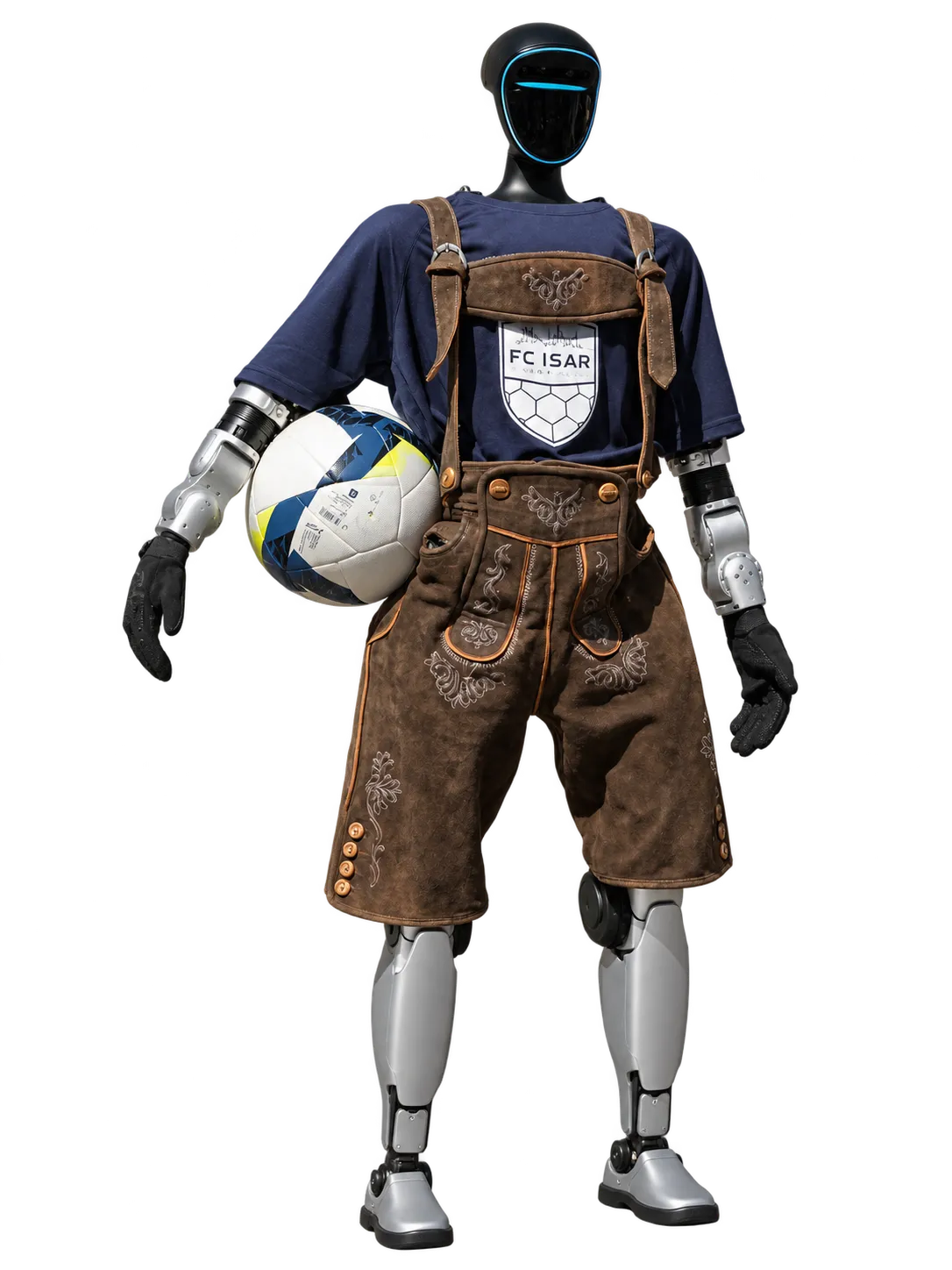
FC Isar humanoid robot in Bavarian lederhosen holding a football, an edited cutout from a team photo
1

ambitionBring robotics into everyday life

Built around the people

Educating exceptional robotics engineers.

Our members come from leading research universities and build technology in industry. Here, they work towards something together: robots that can leave the lab and earn their place in the real world.

Our academic backgrounds

Our team brings together experience from these universities.

  • TUM
  • LMU
  • Tsinghua University
  • MIT
  • Shanghai Jiao Tong University
  • RWTH Aachen

Experience across industry

Where our members have put their engineering into practice.

  • microagi
  • Siemens
  • BMW
  • Infineon
  • SAP
  • Porsche Consulting
  • appliedAI

Scientific support

Chair of Applied Mechanics, TUM

  1. People you want beside you.

    Bring ambition and help others grow. We want people who share what they know and take responsibility for what they build.

  2. Understand the whole robot.

    Connect perception, behaviour and motion. Learn how your decisions affect the complete system, from simulation to the pitch.

  3. Research that leaves the lab.

    Read the paper, build the method and test it on a real robot. Develop the judgement to turn an idea into an application.

Software at FC Isar

Software teams

From sensing and planning to movement, supported by shared infrastructure.

Robot runtime and robotics infrastructureSolid arrows: runtime data and sensor feedback. Dashed links: shared infrastructure. Motion-policy learning is a separate workflow using GPU compute.Cameras, audio, odometryImages, whistle cues, movement estimatesWorld modelAction intentRobot interfaceWorld StatePerception → estimation → shared stateBehaviourGame state → planner → action intentMotionLocomotion + learned policy executionPhysical robotWalk, kick, recoverInfrastructureThe backbone across the stack2D simulationTactical scenarios + testing3D simulationPhysics + emulated sensorsDebug + replayLive state, logs, diagnosisCompute + deploymentGPU jobs, runtime, releases
Solid arrows: runtime data and sensor feedback. Dashed links: shared infrastructure. Motion-policy learning is a separate workflow using GPU compute.

01 World State

Perception and state estimation

Fuse what the robot sees, hears and measures into a shared match state.

Input
Cameras, depth, audio, odometry
Output contract
Robot poses, ball tracks, field + controller state
  • C++ / Python
  • ROS 2
  • CUDA / TensorRT
  • Vision, depth and whistle detection
  • Odometry, localisation and sensor fusion
  • Timestamped state with confidence estimates
02 Behaviour

Tactical planning and team play

Decide who passes, dribbles, shoots or moves—and coordinate the other robots.

Input
World model, game state, team plan
Output contract
Action intent, target pose, team roles
  • C++
  • Planning
  • Multi-agent RL
  • Behaviour trees and state machines
  • Team communication and tactical coordination
  • Research: LLM/game-host planners and multi-agent learning

03 Motion

Locomotion and learned control

Turn action requests into walking, kicking, balance and recovery.

Input
Action intent, target, body feedback
Output contract
Robot control commands, execution status
  • PyTorch
  • Reinforcement learning
  • Isaac Lab / MuJoCo
  • Keyframed motions and learned policies
  • Isaac Lab training → MuJoCo evaluation
  • Robot execution, transitions and recovery

04 Robotics Infrastructure

Engineer the robotics backbone

Own what makes the whole system run, from a developer’s first build to a robot on the pitch.

Input
Code, compute jobs, runtime data
Output contract
Working environments, simulations, robot releases
  • Python / TypeScript
  • Docker / Linux
  • ROS 2 integration
  • 2D/3D simulation and development environments
  • GPU compute, CI and deployment
  • Live debugging, logs and replay

Help the club grow

Tell the story, run events and build the partnerships that support the team.

MarketingOutreachEventsSponsorship

Every week 3 meeting formats

Research feeds the next robot test

01

Team meeting

Review experiments, unblock each other, choose the next task.

Next experiment
02

Full-team meeting

Connect progress across teams and coordinate integration.

Shared priorities
03

Research papers

A rotating presenter, a 5–7 minute paper talk, then questions and feedback.

Ideas to test
01Read a paper
02Build + test
03Review results
04Document + share

Document results and decisions. Build the next experiment from there.

Researchwith academic credit

01

IDP

An interdisciplinary project on a real robotics problem.

02

Bachelor’s thesis

Build and evaluate a focused robotics idea.

03

Master’s thesis

Develop and test new methods on our stack.

Join, contribute and learn the stack. Then shape an IDP or thesis with us and an academic chair.

Possible next steps

PhD & researchPhysical AI companies

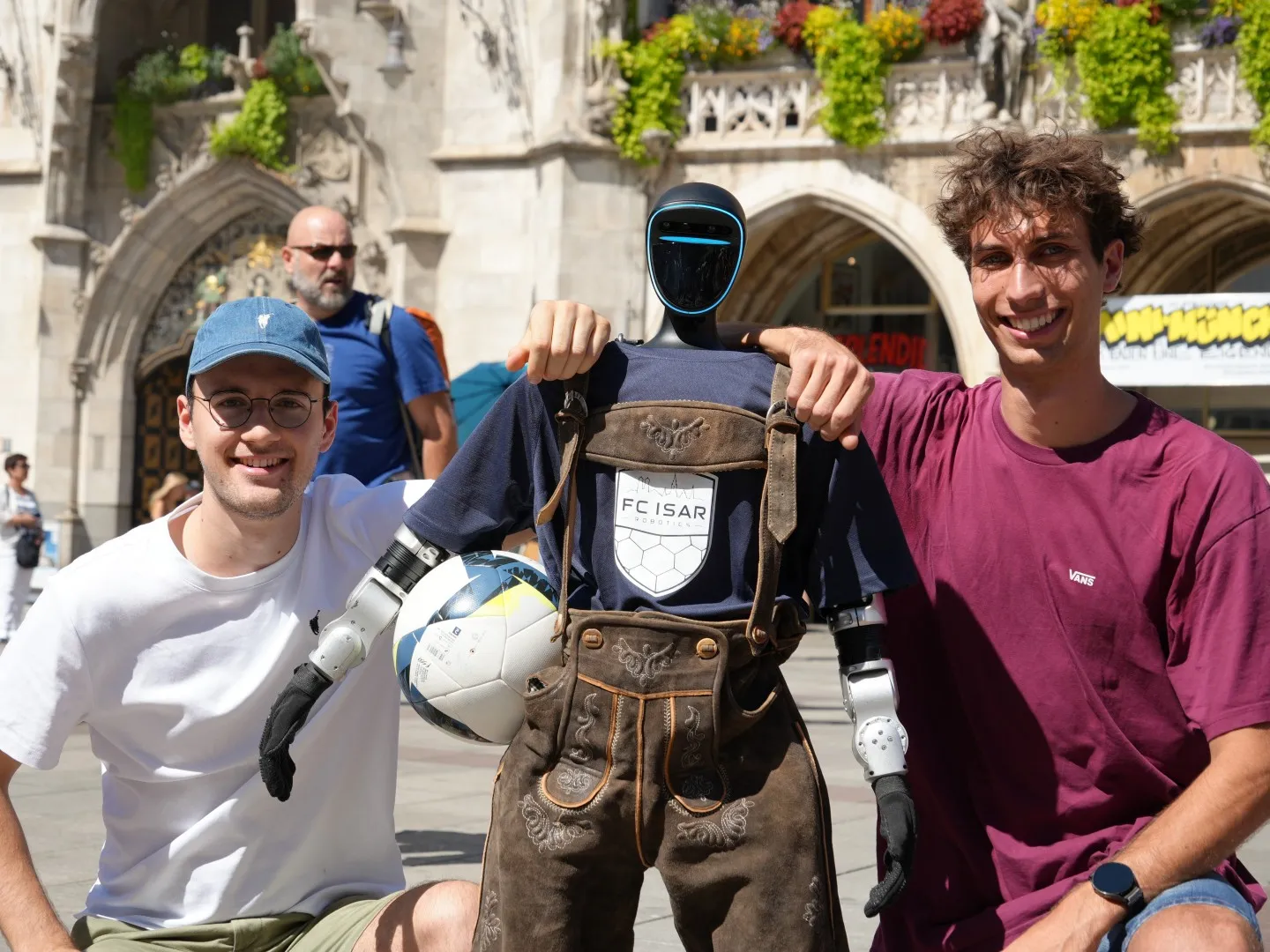
FC Isar members with the robot in Munich

Find yourpeople

An international team with Bavarian roots. Take ownership, share knowledge and build together.

Beyond the lab

Robotics happens between people

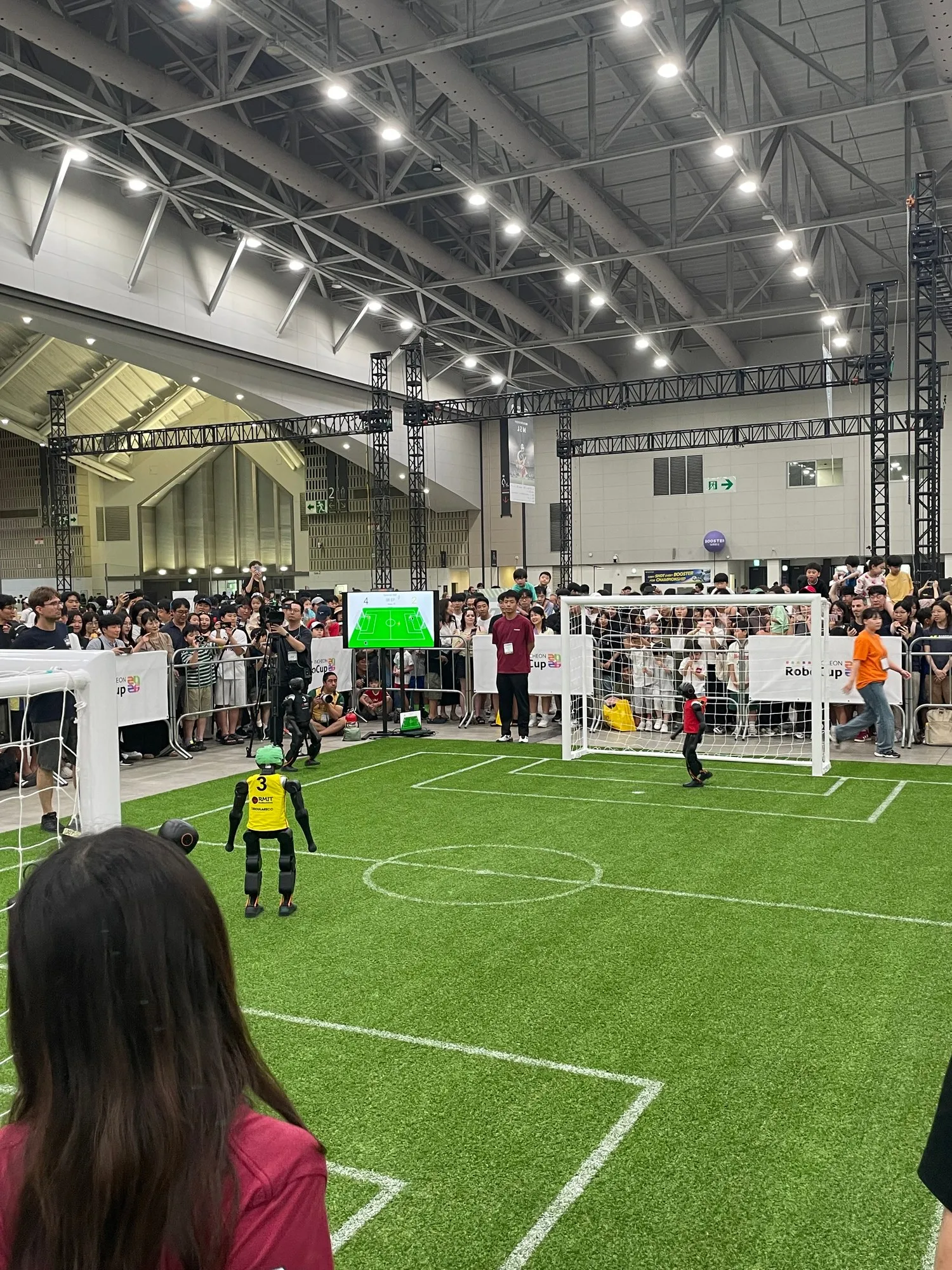
Humanoid football and visiting teams at RoboCup in Incheon

01 Exchange

Meet the people building robotics

Meet students, researchers and founders at international events. Compare approaches and bring new ideas home.

  • Conferences
  • Research exchange
  • Hackathons

RoboCup Incheon 2026, From the team’s media collection

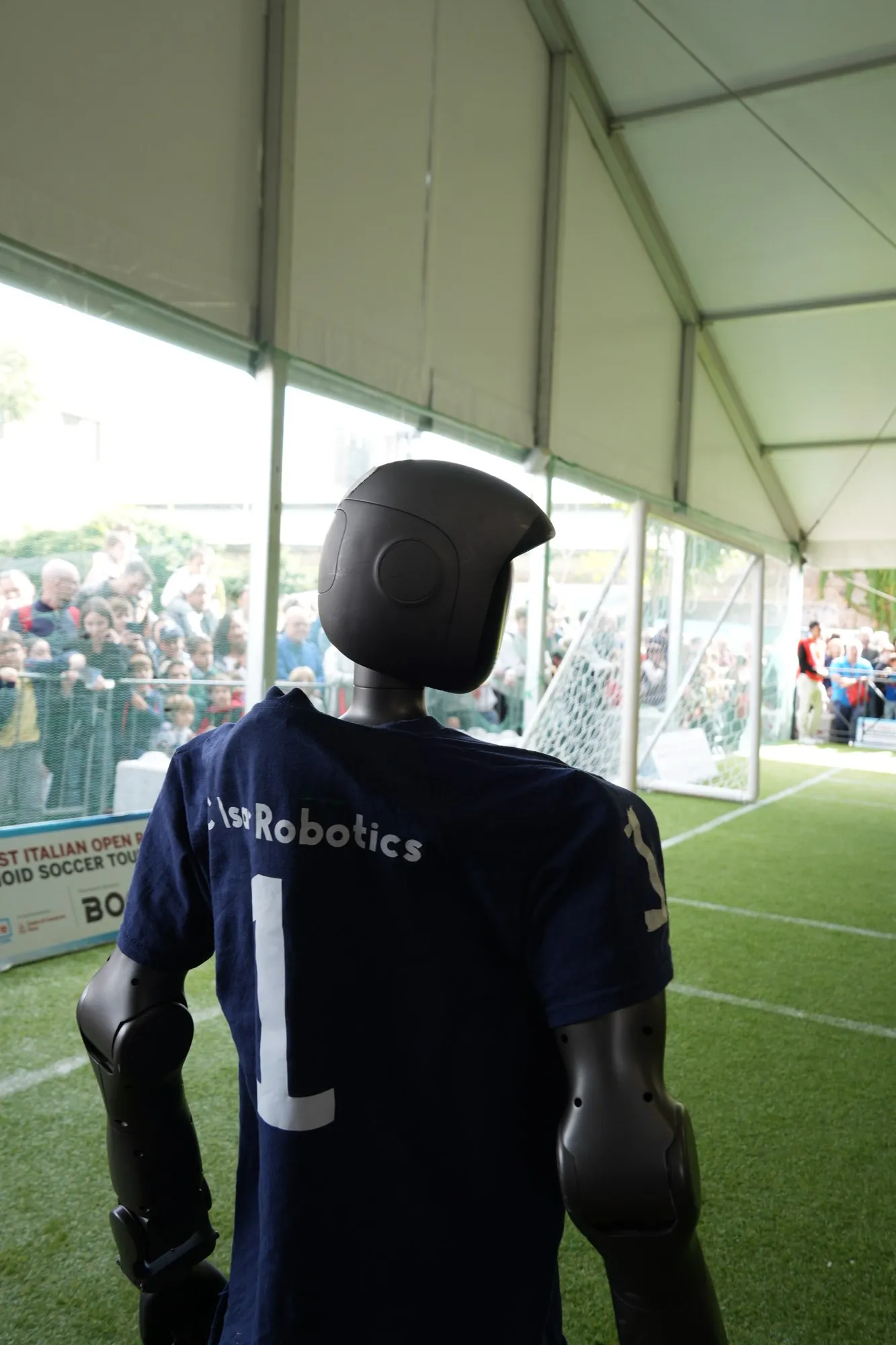
FC Isar robot in its navy shirt beside the Rome Open pitch

02 Competition

Put your software into a real match

Test the complete robot under match pressure. Earn your place through contribution and commitment.

  • RoboCup
  • Friendly games
  • Match-day engineering

FC Isar robot beside the pitch, Rome Open 2026

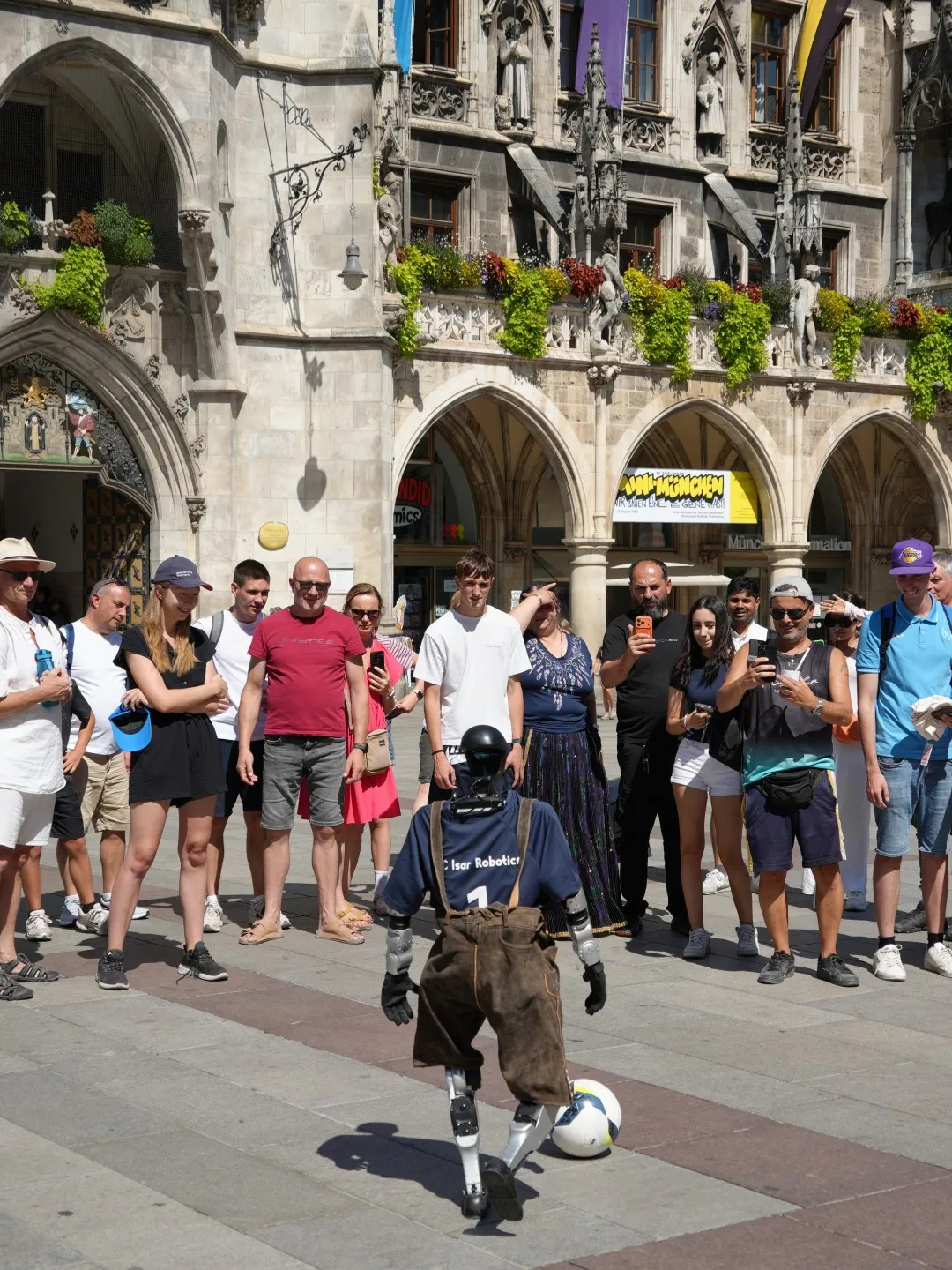
Visitors meeting the FC Isar robot at Marienplatz

03 Outreach

Bring robotics to the people

Show the robot, explain the engineering and let people experience physical AI firsthand.

  • Open labs
  • Public demos
  • Sponsor events

Visitors meet the robot, Marienplatz, Munich

Event and travel opportunities depend on plans and participation arrangements.

Team members

Advisors

Scientific guidance from TU Munich and the chairs that support us.

  • Philipp Radecker

    Philipp Radecker

    Scientific supervision, TUM

    Chair of Applied Mechanics, TUM, with day-to-day scientific supervision of the team.

  • Prof. Dr. Johannes Betz

    Prof. Dr. Johannes Betz

    Autonomous Vehicle Systems, TUM

    Founder of the TUM Autonomous Motorsport team and winner of the Indy Autonomous Challenge 2021.

  • Prof. Dr. Daniel Rixen

    Prof. Dr. Daniel Rixen

    Chair of Applied Mechanics, TUM

    Research on walking control of humanoid robots, and member of the board of MIRMI.

Become a member

Build withFC Isar Robotics

Software, marketing, outreach or events. Bring curiosity and commitment.

Apply nowOpens in a new tab

Semester intake, Rolling applications for highly ambitious people

Applications are handled through RoboTUM.